

Whether you’re heading into the woods for your very first overnight trip or preparing for a week-long backcountry expedition, having the right camping gear can make the difference between an unforgettable adventure and an uncomfortable experience. A well-planned packing list keeps you safe, comfortable, and prepared for changing conditions. Here’s the ultimate camping gear checklist to help you confidently enjoy your next outdoor adventure. Your team at Rough Terrain Outfitters has literally thousands of hours of camping and outdoor survival experience, in every terrain and climate imaginable. From Arctic to Desert to North American Woodland to Jungle environments, we’ve “been there and done that”; and have learned the hard lessons about not being prepared for the outdoors. This list includes the Top 7 topics, in priority, to consider when planning your next outdoor adventure.
1. Water and Hydration
There is a reason why this is the first item on the list! Access to clean drinking water is critical. This one item can be the difference between a great camping trip, or a potentially dangerous situation requiring medical intervention at the worst possible time.
Carry:
- Water bottles or hydration reservoir
- Water filtration system
- Purification tablets as backup
- Collapsible water container for camp
Always filter or purify water collected from lakes, rivers, or streams.
IMPORTANT INFORMATION: The amount of water a person needs each day depends on age, body size, activity level, climate, and overall health. There isn’t a one-size-fits-all answer, but there are well-established guidelines.
General Daily Water Intake:
The U.S. National Academies suggests a total daily fluid intake (from beverages and water contained in food) of approximately:
- Men: 3.7 liters (125 ounces) per day (about 15½ cups)
- Women: 2.7 liters (91 ounces) per day (about 11½ cups)
About 20% of this typically comes from food, so the amount you need to drink is often closer to:
- Men: about 3.0 liters (101 ounces), or 12–13 cups
- Women: about 2.2 liters (74 ounces), or 9 cups
When You Need More:
Increase your water intake if you are:
- Hiking or backpacking
- Camping in hot or dry weather
- Exercising or doing strenuous work
- At higher elevations
- Sick with fever, vomiting, or diarrhea
- Pregnant or breastfeeding
A hiker carrying a heavy pack on a hot day may need 0.5 to 1 liter of water per hour, and sometimes more depending on conditions.
A Simple Rule of Thumb:
Many outdoor experts recommend:
- Drink when you’re thirsty, but don’t wait until you’re very thirsty.
- Aim for pale yellow urine, which is generally a sign of good hydration.
- Avoid drinking excessive amounts in a short time, as this can lead to a dangerous condition called hyponatremia (low blood sodium).
Camping and Emergency Planning:
For trip planning and emergency preparedness, a common recommendation is:
- At least 1 gallon (3.8 liters) of water per person per day
This accounts for:
- Drinking
- Basic food preparation
- Minimal hygiene
If you’re camping in hot weather or engaging in strenuous activities, plan on 1.5–2 gallons per person per day if you’re carrying or transporting all your water.
Quick Reference
| Situation | Recommended Water |
|---|---|
| Average adult woman | ~2.7 L/day (91 oz total fluids) |
| Average adult man | ~3.7 L/day (125 oz total fluids) |
| Camping (minimum planning) | 1 gallon/person/day |
| Hot-weather hiking | 0.5–1 L/hour of activity |
| Emergency preparedness | 1 gallon/person/day (minimum) |
For outdoor adventures, it’s always wise to carry more water than you expect to need or have a reliable water filtration system so you can safely refill from natural water sources if they’re available.
2. First Aid and Emergency Supplies
Every camping trip should include a well-stocked first aid kit. This kit should be compact enough to be carried with you, anytime you leave your campsite.
Important items include:
- Bandages and gauze
- Antiseptic wipes
- Pain relievers
- Tweezers
- Medical tape
- Blister treatment
- Prescription medications
- Emergency blanket
- Fire starter
- Waterproof matches
- Multi-tool or knife
- Paracord
- Duct tape
- Emergency whistle
Being prepared for minor injuries can prevent small problems from becoming major emergencies
3. Clothing and Personal Gear
Weather conditions can change quickly outdoors.
Pack moisture-wicking layers including:
- Waterproof jacket
- Insulating fleece
- Extra socks
- Hat
- Gloves (when appropriate)
- Hiking boots or trail shoes
- Camp shoes
- Sunglasses
- Sunscreen
- Insect repellent
Layering allows you to adjust to changing temperatures throughout the day.
4. Shelter and Sleeping Essentials
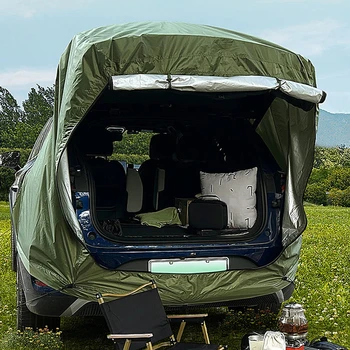
Your shelter is the foundation of every camping trip. Choose a tent that matches the number of campers while providing extra space for gear. Look for weather-resistant materials, sturdy poles, and an easy setup process.
A quality sleeping system includes:
- Sleeping bag rated for expected temperatures
- Sleeping pad or inflatable mattress for insulation and comfort
- Camping pillow or compact travel pillow
- Ground tarp or footprint for added protection
Experienced campers know that a good night’s sleep leads to a much better outdoor experience.
5. Navigation and Safety
Every camping trip should include a means to know where you are, and where you want to go. Even if you’re camping at a developed campground, navigation tools should always be part of your gear.
Bring:
- Paper map; confirm it is up to date
- Compass
- GPS device that does not require access to a cellular network. Make sure your electronic maps are up to date.
- Fully charged smartphone with offline maps
Never rely solely on cellular service, especially in remote areas.
6. Camp Cooking Equipment
Preparing meals outdoors is part of the adventure. Keep your cooking set up simple, reliable, and easy to transport.
Essential cooking gear includes:
- Portable camping stove
- Fuel canisters
- Lightweight cookware
- Plates, bowls, and utensils
- Reusable water bottles
- Cooler for perishables
- Food storage containers
- Trash bags for Leave No Trace camping
Don’t forget biodegradable soap, a sponge, and a small towel for cleanup.
7. Lighting and Power
Once the sun goes down, dependable lighting becomes essential.
Pack:
- LED lantern
- Headlamp with extra batteries
- Compact flashlight
- Portable power station or power bank
- Solar charger for longer trips
Portable power stations are especially useful for charging phones, GPS units, cameras, drones, and emergency communication devices without relying on vehicle power.
Packing Tips
Packing efficiently helps reduce stress and improves organization.
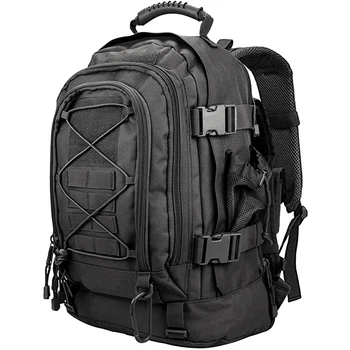
- Use packing cubes or dry bags to organize equipment.
- Keep frequently used items near the top of your pack.
- Store electronics in waterproof bags.
- Test all equipment before leaving home.
- Make a checklist and review it before departure.
- Pack heavier items close to your back for better weight distribution.
Common Camping Mistakes to Avoid
Many camping problems can be avoided with a little preparation.
Avoid these common mistakes:
- Not bringing enough drinking water
- Skipping a first aid kit
- Bringing a tent you’ve never assembled
- Underestimating nighttime temperatures
- Forgetting extra batteries
- Ignoring weather forecasts
- Packing too much unnecessary gear
- Leaving food unsecured around wildlife
Learning from these mistakes helps every trip become more enjoyable.
Gear Recommendations by Trip Length
Overnight Trips – Focus on the basics: shelter, sleeping gear, cooking equipment, water, lighting, and first aid.
Weekend Adventures (2–3 Days) – Add extra clothing, additional food, backup batteries, a portable power station, and more water storage.
Extended Trips (4+ Days) – Bring larger food supplies, additional fuel, advanced water filtration, repair kits, navigation backups, solar charging equipment, and emergency communication devices if traveling into remote areas.
Planning your gear around the length and location of your trip helps eliminate unnecessary weight while ensuring you remain prepared for unexpected situations.
Ready for Your Next Adventure?
Great outdoor experiences begin with dependable equipment you can trust. Whether you’re setting up your first campsite or planning your next wilderness expedition, having reliable gear allows you to focus on making memories instead of solving preventable problems.
Explore Rough Terrain Outfitters for high-quality camping equipment, outdoor technology, survival essentials, power solutions, and adventure-ready gear designed to help you camp with confidence. Wherever the trail leads, gear up, get out, and stay ready!

0 Comments