
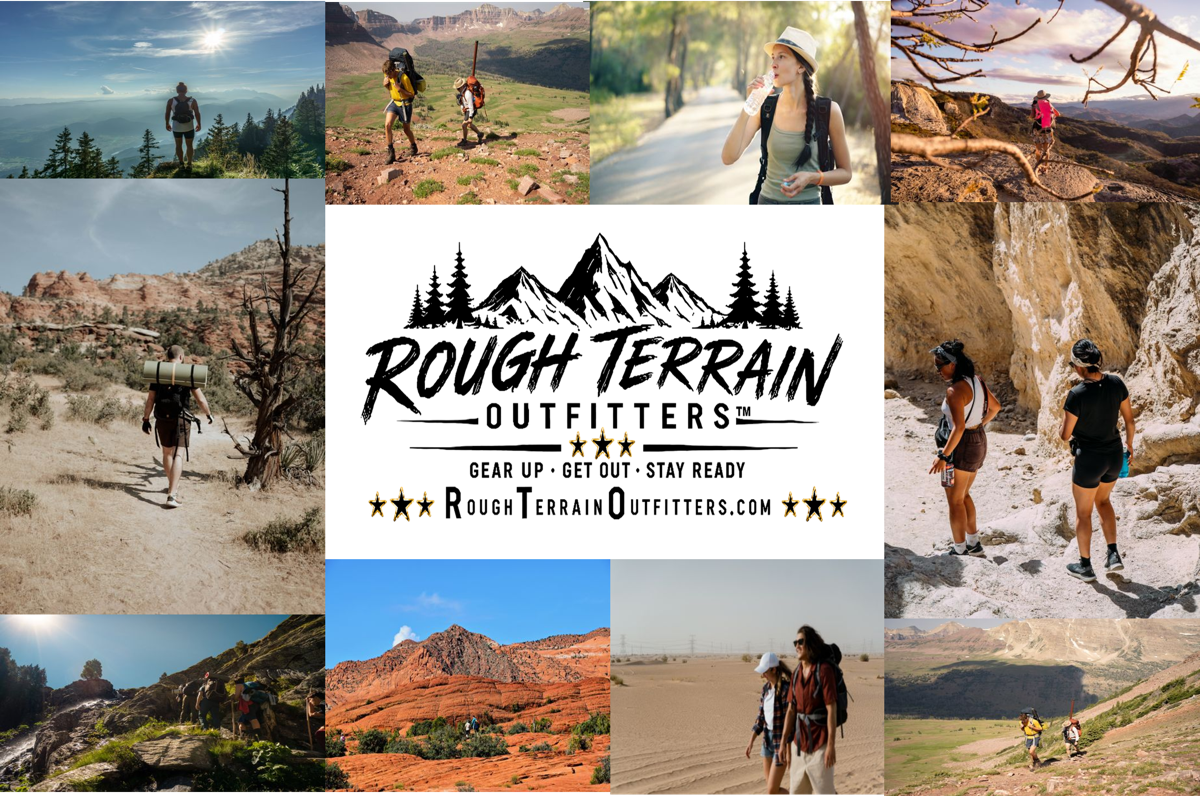
Summer is one of the best times to hit the trail. Long daylight hours, lush landscapes, mountain views, waterfalls, and abundant wildlife make August a favorite season for outdoor enthusiasts. But peak summer also brings one serious challenge that every hiker must respect—extreme heat.
High temperatures, intense sunshine, and elevated humidity can quickly transform a pleasant hike into a dangerous situation if you’re not prepared. Heat exhaustion and heat stroke are real risks, even for experienced hikers. Fortunately, with smart planning, the right equipment, and a few simple strategies, you can continue enjoying the outdoors while staying safe.
Whether you’re planning a short morning walk or an all-day backcountry adventure, these tips will help you beat the heat and make the most of your summer hikes.
Start Before the Sun Does
One of the easiest ways to avoid dangerous temperatures is to begin your hike early.
Many experienced hikers hit the trail shortly after sunrise when temperatures are significantly cooler and wildlife is more active. Morning hikes also provide softer lighting for photography and often fewer crowds.
If you can’t start early, consider waiting until late afternoon or early evening—provided you have enough daylight to return safely.
Avoid beginning strenuous hikes during the hottest part of the day, typically between 11:00 a.m. and 4:00 p.m.
Hydration Starts Before the Trail
One of the biggest mistakes hikers make is waiting until they’re thirsty to drink.
Hydration should begin well before leaving home. Drink water throughout the day before your hike, then continue sipping regularly while on the trail rather than consuming large amounts all at once.
As a general guideline:
- Drink water before you begin hiking.
- Take small, frequent sips throughout your hike.
- Increase your intake during particularly hot or humid conditions.
- Replace electrolytes during longer or more strenuous hikes.
Carrying a hydration reservoir or multiple reusable water bottles makes staying hydrated much easier.
Know How Much Water to Carry
Running out of water is one of the fastest ways to turn an enjoyable hike into an emergency.
Water needs vary depending on temperature, humidity, elevation, trail difficulty, and individual physiology, but many hikers require substantially more water in hot weather than they expect.
For longer hikes, consider carrying:
- Extra water bottles
- Hydration bladders
- Water filtration systems
- Water purification tablets
If your route includes reliable water sources, a portable water filter can significantly reduce the amount of water you need to carry.
Need more information? See our July 28, 2026 Blog “The Ultimate Camping Gear Checklist: Everything You Need for Your Next Outdoor Adventure” for details on Water and Hydration.
Dress for the Heat
Your clothing can dramatically affect your comfort.
Choose:
- Moisture-wicking shirts
- Lightweight hiking pants or shorts
- Light-colored fabrics
- Wide-brim hats
- UV-protective clothing
- Breathable hiking socks
Avoid cotton whenever possible. Cotton absorbs sweat and dries slowly, making you feel hotter and increasing the risk of chafing.
Technical outdoor fabrics help regulate body temperature while drying quickly.
Don’t Forget Sun Protection
Sunburn isn’t just uncomfortable—it reduces your body’s ability to cool itself.
Before heading out:
- Apply broad-spectrum sunscreen.
- Reapply throughout the day.
- Wear polarized sunglasses.
- Use lip balm with SPF protection.
- Consider a neck gaiter for additional sun coverage.
Small preventative steps can make a huge difference on long hikes.
Slow Down and Pace Yourself
Summer hiking isn’t the time to chase personal speed records.
Take regular breaks in shaded areas and listen to your body.
If you begin feeling:
- Dizzy
- Weak
- Nauseous
- Confused
- Excessively fatigued
Stop immediately, move into the shade, hydrate, and cool down before continuing.
Ignoring early warning signs can lead to serious heat-related illnesses!
Plan Routes with Shade
Not all hiking trails are created equal during summer.
Forested trails often remain dramatically cooler than exposed ridgelines or open desert terrain.
Before selecting a hike, review maps and look for:
- Dense tree cover
- Streams
- Lakes
- Waterfalls
- Higher elevations
- North-facing slopes
Even a few degrees of temperature difference can significantly improve comfort.
Fuel Your Body Properly
Your body burns energy more quickly in hot weather.
Pack foods that are:
- Easy to digest
- Rich in electrolytes
- High in complex carbohydrates
- Moderate in protein
Trail mix, fresh fruit, jerky, energy bars, nuts, peanut butter packets, and electrolyte drink mixes make excellent trail snacks.
Avoid overly heavy meals before beginning strenuous hikes.
Bring Cooling Accessories
Today’s hiking gear includes numerous products designed specifically for hot-weather adventures.
Helpful items include:
- Cooling towels
- Neck wraps
- Insulated water bottles
- Hydration packs
- Portable misting fans
- UV umbrellas
- Lightweight trekking poles
These small additions often make a surprisingly large difference during extended hikes.
Know the Signs of Heat Illness
Every hiker should recognize the symptoms of heat-related emergencies.
Heat Exhaustion
Watch for:
- Heavy sweating
- Muscle cramps
- Weakness
- Dizziness
- Headache
- Cool, clammy skin
- Nausea
Treatment includes resting in the shade, cooling the body, and drinking fluids.
Heat Stroke
Heat stroke is a medical emergency.
Symptoms may include:
- Confusion
- Loss of consciousness
- Hot, dry skin or altered sweating
- Rapid pulse
- Difficulty walking
- High body temperature
If heat stroke is suspected, call emergency services immediately and begin cooling the person while waiting for help.
Protect Your Electronics
Heat affects more than hikers—it also impacts batteries.
High temperatures can quickly reduce the performance of:
- Smartphones
- GPS units
- Cameras
- Portable power banks
Store electronics inside shaded backpack compartments instead of exposing them to direct sunlight.
Portable power stations and compact solar chargers can help keep essential devices operational during longer camping and hiking trips.
Leave No Trace—Especially During Dry Conditions
Summer heat often means elevated wildfire risk.
Always:
- Follow local fire restrictions.
- Stay on designated trails.
- Pack out all trash.
- Avoid parking on dry grass if local authorities warn against it.
- Never discard cigarettes or hot materials in natural areas.
Protecting public lands helps ensure they’ll remain beautiful for generations to come.
Gear That Makes Hot-Weather Hiking Easier
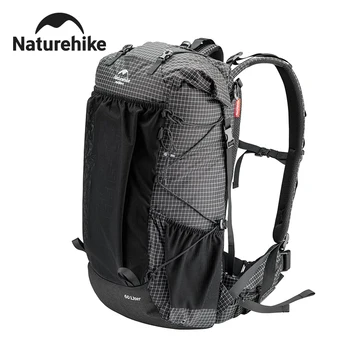
The right equipment can make all the difference during peak summer hiking season. Lightweight backpacks reduce fatigue, hydration reservoirs encourage frequent drinking, insulated bottles keep water cooler longer, and portable water filters provide peace of mind on longer routes. Moisture-wicking apparel, breathable hiking hats, UV-protective clothing, cooling towels, trekking poles, and compact first aid kits all contribute to a safer and more comfortable day on the trail.
Investing in dependable outdoor gear isn’t just about convenience—it’s about safety, endurance, and enjoying every mile.
Keep Exploring All Summer Long
Summer doesn’t have to keep you off the trail. With thoughtful planning, plenty of water, appropriate clothing, and a healthy respect for the heat, you can continue discovering scenic overlooks, mountain trails, waterfalls, forests, and hidden wilderness destinations throughout the season.
Before your next adventure, make sure you’re equipped with dependable hiking gear, hydration systems, outdoor apparel, and trail-ready accessories from Rough Terrain Outfitters. From sunrise hikes to weekend backpacking trips, the right gear helps you stay cool, comfortable, and prepared for whatever the trail brings.
The best summer hikes aren’t always the longest—they’re the ones that end with great memories, incredible views, and everyone returning home safely.
GEAR UP – GET OUT – STAY READY!



0 Comments