

There is a moment every autumn when the outdoors seems to change almost overnight.
Green mountainsides ignite with red, orange, and gold. Morning fog settles over quiet lakes. Fallen leaves cover hiking trails, wildlife becomes more active, and the softer sunlight of shorter days creates the kind of landscapes photographers wait all year to capture.
For outdoor photographers, campers, hikers, and families, autumn isn’t simply another season—it’s an invitation to explore!
You don’t need to be a professional photographer or own thousands of dollars in camera equipment to bring home spectacular fall photographs. A smartphone, a good destination, thoughtful timing, and some dependable outdoor gear may be all you need.
So, grab your camera, pack your camping equipment, and follow the colors. Here’s how to turn your next fall camping trip into an unforgettable autumn photography adventure.
- Chase the Colors—But Don’t Wait Too Long
Peak fall color can be surprisingly brief.
Weather, elevation, latitude, rainfall, and temperature all influence when leaves change. A destination that is brilliant one weekend may look dramatically different seven days later.
Instead of planning your trip solely around a calendar date, monitor regional foliage reports as your adventure approaches.
Higher elevations frequently change before valleys, giving photographers opportunities to follow autumn color across different locations.
Photography Tip: Don’t wait until every tree has changed. A mixture of green, yellow, orange, and red can create even more interesting photographs than a landscape dominated by one color.
- Get Up Before Everyone Else
Some of autumn’s greatest photographs happen while the campground is still asleep.
Cold fall mornings often create atmospheric conditions perfect for photography. Mist may hover above lakes and rivers while early sunlight filters through the trees.
Set your alarm before sunrise, grab your camera and headlamp, and find your shooting location while it’s still dark.
Bring:
- Headlamp
- Warm jacket
- Gloves
- Insulated drink container
- Tripod
- Camera rain cover
- Extra batteries
Watching the forest slowly appear through the morning fog is worth losing a little sleep.
And you’ll probably return to camp just in time for coffee.
- Take Advantage of Golden Hour
Photographers call the period shortly after sunrise and before sunset golden hour for good reason.
The sun sits lower on the horizon, creating warm, directional light that complements autumn colors beautifully.
Instead of photographing only the trees, look for sunlight illuminating:
- Mountain ridges
- Lakeshores
- Hiking trails
- Campsites
- Tents
- Wildlife
- Families around camp
- Overlanding vehicles
A simple campsite can become an extraordinary photograph when warm evening light filters through brilliant autumn foliage.
- Don’t Put the Camera Away When It’s Cloudy
Bright sunshine isn’t always the photographer’s best friend.
Overcast skies produce soft, even lighting that can make autumn colors appear especially rich. Cloudy conditions are excellent for photographing forests, waterfalls, streams, and close-up details.
Rain can make the colors even more dramatic.
Wet leaves become saturated with color, rocks darken, and reflections appear everywhere.
Pack a waterproof camera cover or dry bag and keep shooting.
Sometimes the weather everyone else complains about produces the best photographs of the trip.
- Photograph the Details
Grand mountain landscapes are spectacular, but autumn tells its story through small details too.
Look closer.
Photograph:
- Individual leaves
- Acorns
- Mushrooms
- Frost
- Spiderwebs covered in morning dew
- Water droplets
- Colorful rocks
- Campfire flames
- Hiking boots surrounded by leaves
- Steam rising from a coffee mug
These smaller images complement sweeping landscapes and help tell the complete story of your adventure.
- Add People to the Landscape
Beautiful scenery becomes more relatable when viewers can imagine themselves experiencing it.
Instead of photographing an empty trail, include a hiker walking through the scene.
Instead of photographing only the lake, capture your children skipping rocks along the shoreline.
Photograph your family setting up the tent, cooking breakfast, hiking beneath colorful trees, or relaxing around the evening fire.
Years from now, those photographs may matter much more than another perfectly composed picture of a mountain.
- Make Your Campsite Part of the Story
Your campsite can become one of your best photographic subjects.
Imagine a glowing tent surrounded by brilliant orange leaves, lantern light illuminating the picnic table, and a small campfire flickering beneath a deep blue evening sky.
For a classic fall campsite photograph, combine:
Foreground: Campfire, lantern, chair, backpack, or boots.
Middle ground: Tent, family, or overlanding vehicle.
Background: Autumn forest, mountains, or lake.
Now you’re not simply photographing camping equipment. You’re photographing adventure.
- Turn the Road Trip into a Photo Expedition
Sometimes the journey to camp is just as beautiful as the destination.
Fall is perfect for scenic drives and overlanding photography.
Stop safely at designated overlooks and photograph winding mountain roads, covered bridges, farms, forests, and vehicles surrounded by autumn scenery.
If you’re traveling by SUV or overlanding rig, include the vehicle in some images.
A rugged vehicle parked beneath colorful mountains instantly communicates exploration and adventure.
- Protect Your Camera from Fall Weather
Autumn can deliver sunshine, rain, fog, frost, and cold temperatures—sometimes during the same weekend.
Keep sensitive equipment protected with:
- Waterproof camera bags
- Dry bags
- Rain covers
- Lens cloths
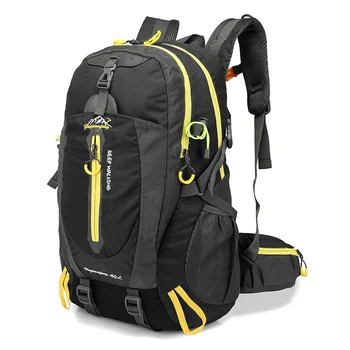
- Weather-resistant backpacks
- Protective cases
- Silica gel packets
Moving equipment rapidly between cold outdoor temperatures and warm environments can also create condensation, so give cameras and lenses time to adjust gradually when practical.
- Carry Extra Batteries
Cold weather can reduce battery performance.
That makes spare batteries especially important during late-season photography trips.
Keep backup batteries protected and warm, and don’t leave every battery sitting overnight in a cold vehicle.
Smartphone photographers should also carry a power bank.
Nothing ends a sunrise photography session faster than seeing 2% battery remaining just as the light becomes perfect.
- Bring Portable Power to Base Camp
Photography adventures can consume surprising amounts of electricity.
Between cameras, smartphones, drones (where legally permitted), GPS devices, rechargeable headlamps, laptops, and campsite lighting, extended trips may require more than a small power bank.
Vehicle campers may benefit from a portable power station paired with compatible solar charging equipment.
This gives photographers a convenient base-camp charging system without constantly running the vehicle.
- A Tripod Is Worth the Extra Space
Even smartphone photographers can benefit from a compact tripod.
Tripods make it easier to capture:
- Sunrises
- Sunsets
- Waterfalls
- Family photographs
- Long exposures
- Campsites after dark
- Stars above autumn landscapes
A lightweight travel tripod is especially useful when hiking to scenic viewpoints.
- Experiment with Water
Autumn colors and water are a spectacular combination.
Look for:
- Mountain lakes
- Slow rivers
- Forest streams
- Ponds
- Waterfalls
Calm water can create mirror-like reflections, effectively doubling the autumn color in your photograph.
Try arriving early in the morning when wind is often lighter and water surfaces may be calmer.
- Photograph Wildlife Responsibly
Autumn can provide excellent wildlife photography opportunities.
Depending on your location, you may encounter deer, elk, birds, squirrels, foxes, and other animals preparing for colder months.
A telephoto lens or binoculars allows you to observe animals without approaching them.
Never bait wildlife for a photograph, and never sacrifice safety for a closer shot.
The best wildlife photograph is one captured without disturbing the animal.
- Let Your Smartphone Do Some Work
Modern smartphones have made outdoor photography accessible to everyone.
Use features such as:
- Portrait mode
- Night mode
- Exposure adjustment
- HDR
- Panorama
- Burst mode
- Grid lines
But don’t automatically use maximum digital zoom. Moving closer when safe or cropping later often produces better results.
Most importantly, clean your phone’s camera lens. It sounds ridiculously simple, but fingerprints can turn a spectacular mountain sunset into a hazy disappointment.
- Create an Autumn Photography Base Camp
If photography is the focus of your weekend, organize your campsite accordingly.
Create one protected area for:
- Camera equipment
- Batteries
- Charging cables
- Memory cards
- Tripods
- Binoculars
- Maps
- Cleaning supplies
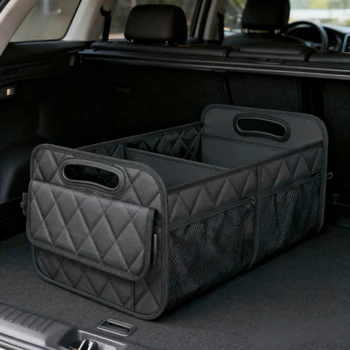
Use waterproof containers so equipment remains organized and protected from moisture.
A dedicated gear station also reduces the likelihood of discovering your missing memory card underneath somebody’s sleeping bag.
- Pack for the Photographer Too
Protecting the camera is important. Protecting the photographer is more important.
Fall photography frequently involves standing still for long periods in chilly conditions.
Bring:
- Moisture-wicking base layers
- Fleece or insulated mid-layers
- Waterproof shell
- Warm hat
- Gloves
- Comfortable hiking footwear
- Extra socks
- Water
- Trail snacks
Photography can make people surprisingly unaware of changing temperatures. Stay comfortable so you can remain outside long enough to capture the shot you’re waiting for.
- Remember the Adventure, Not Just the Photograph
It’s easy to become so focused on capturing the perfect image that you forget why you went outdoors in the first place.
Put the camera down occasionally. Watch the sunrise without looking through a viewfinder. Walk through the leaves with your children. Drink coffee beside the fire. Listen to the forest.
Some moments deserve photographs. Others deserve your full attention.
Gear Up for Your Autumn Photography Adventure
Fall doesn’t last long—and that’s exactly what makes it special.
Those brilliant forests, misty mornings, cool campsites, mountain sunsets, and leaf-covered trails disappear as quickly as they arrive.
Whether you’re photographing autumn with a professional camera, a compact camera, an action camera, or simply the smartphone in your pocket, preparation allows you to stay outdoors longer and concentrate on capturing the experience.
Before heading out, inspect your camping equipment and consider the gear that can make your photography adventure easier: weather-resistant backpacks, waterproof dry bags, portable power stations, solar charging equipment, headlamps, tripods, hiking equipment, insulated drinkware, camping furniture, and dependable shelter.
Then explore Rough Terrain Outfitters for camping, hiking, overlanding, portable power, lighting, and outdoor adventure equipment designed to help you.
Because autumn’s greatest photographs aren’t waiting inside. They’re somewhere down the trail.
Gear Up • Get Out • Stay Ready!



0 Comments